Mold behind stucco is invisible until it is serious. Here is how it starts, the signs to watch for, and how we fix it for good.
Why Mold Grows Behind Stucco
Mold needs two things: moisture and organic material. When water gets trapped behind stucco, the wood sheathing and paper-faced materials in the wall become a perfect food source. Because the colony grows inside the wall assembly, most owners discover it years after it started — usually during a renovation or when a musty smell appears indoors.
Signs You May Have Mold in the Wall
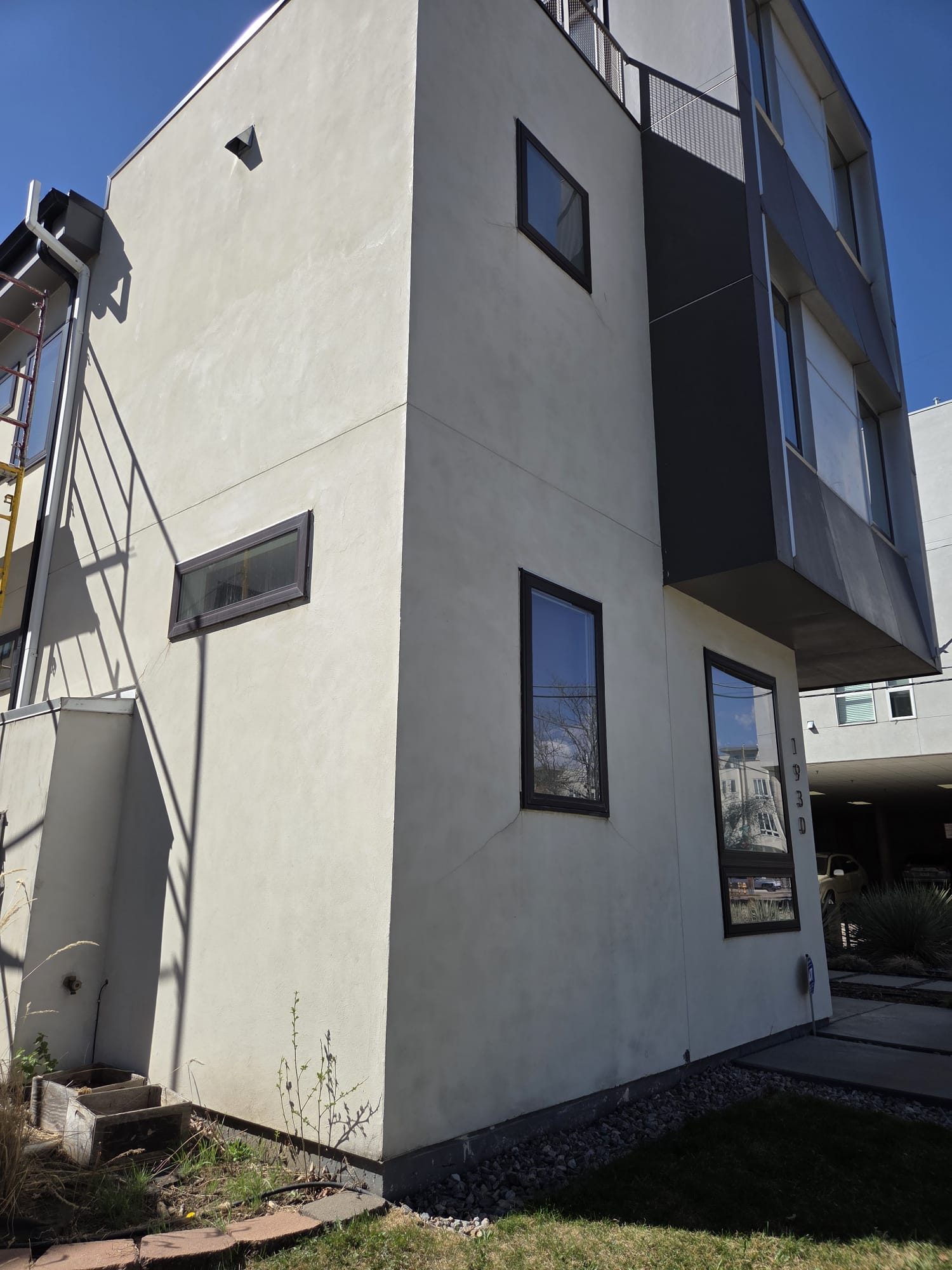
Persistent musty odor near exterior walls, allergy symptoms that improve when you leave the house, dark staining on interior drywall, and stucco that stays damp long after a storm are the classic indicators. If your stucco has known cracks or sealant failures and you notice any of these, it is time for an inspection.
How We Handle Mold-Damaged Stucco
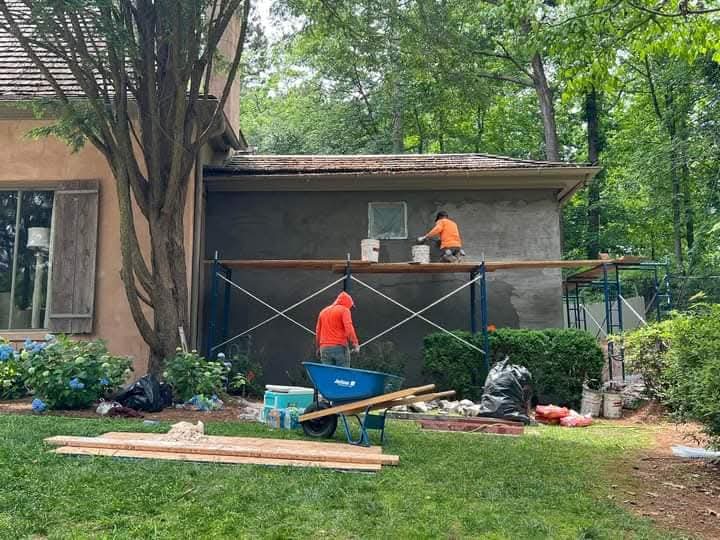
The fix is never just cosmetic. We open the affected section, remove compromised materials, address the moisture source that caused the problem, and coordinate remediation before rebuilding the wall with a proper weather barrier and new stucco, color-matched to the rest of the home.
Concerned about mold behind your stucco? Get a free, honest assessment from MBG STUCCO LLC — we will tell you exactly what is going on and what it takes to fix it.
Need Stucco Help in Denver?
Free, no-obligation estimates from MBG STUCCO LLC. Honest assessments, quality work, and pricing with no surprises.