Water is the number one enemy of stucco in Colorado. Here is how it gets in, what it does behind your walls, and how a proper repair is done.
How Water Gets Behind Stucco
Water almost never comes through the face of healthy stucco — it sneaks in at the edges. Failed sealant around windows and doors, missing kickout flashing where rooflines meet walls, sprinklers hitting the same spot every morning, and snow piled against the base of walls are the four most common entry points we find on Denver homes.
Once moisture is behind the stucco, it gets trapped against the sheathing. In our climate it then freezes, expands, and pushes the stucco away from the wall — while quietly rotting the wood structure underneath.
Warning Signs of Water Damage
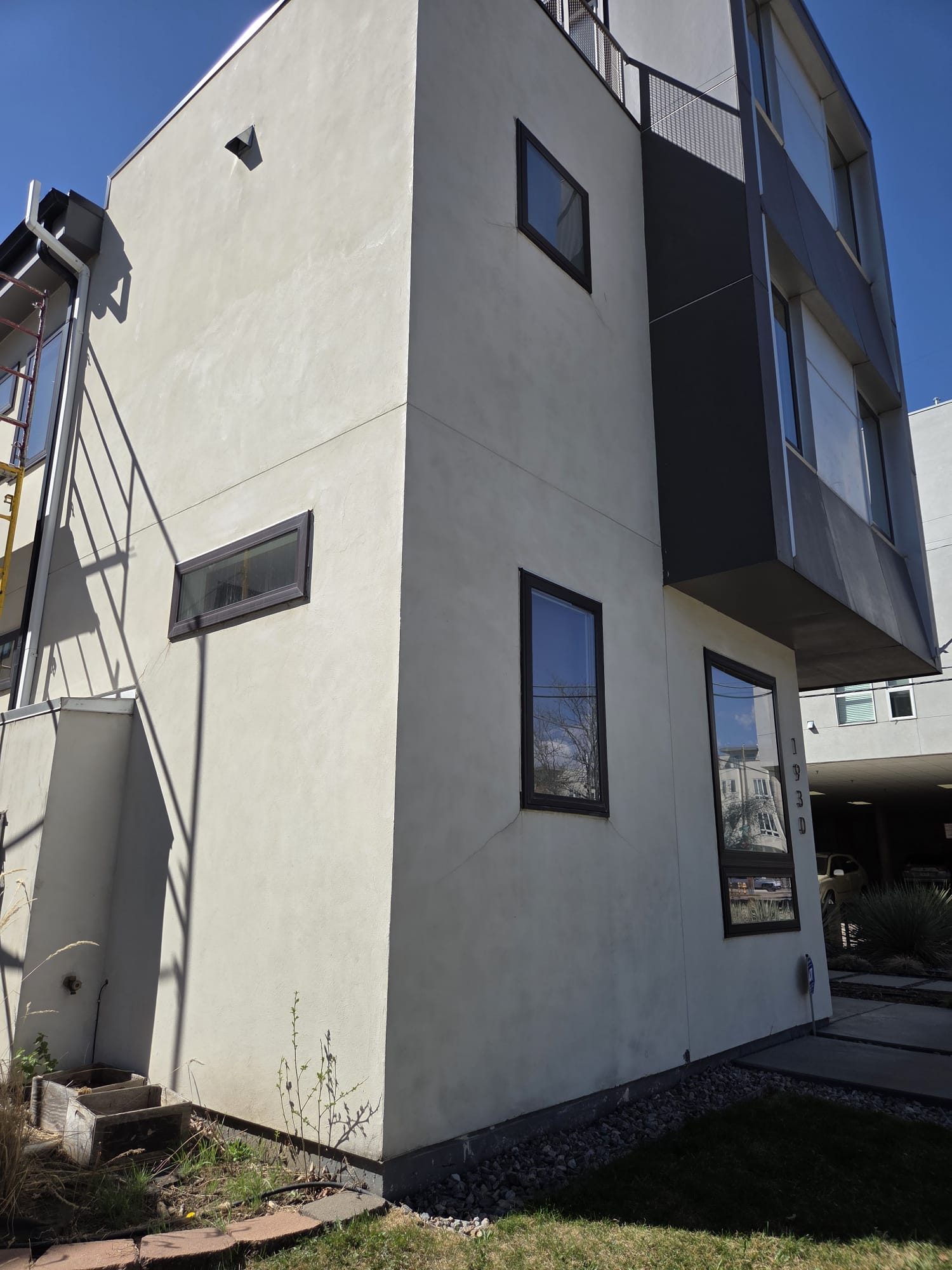
Look for dark staining below windows, bubbling or peeling paint on stucco, a musty smell inside near exterior walls, soft or hollow-sounding patches, and efflorescence — the white chalky residue minerals leave behind as water evaporates through the wall. Any one of these means water is moving where it should not be.
How a Proper Repair Works
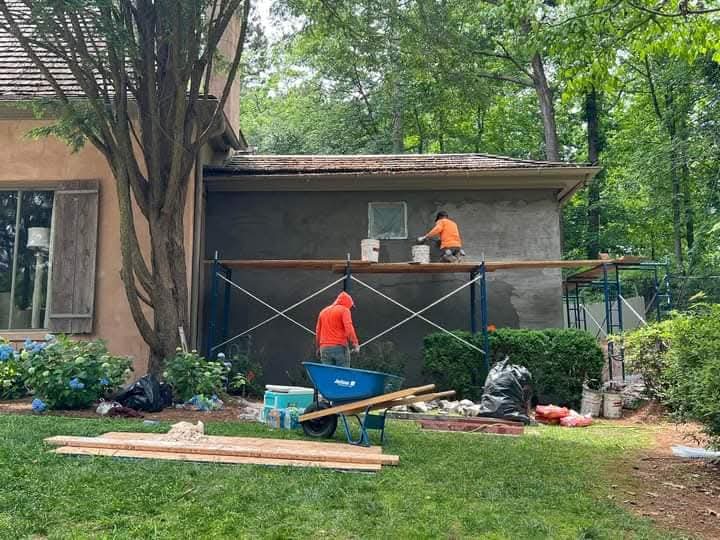
A real water damage repair starts with finding the entry point — not just patching the stain. We remove the damaged stucco, inspect and replace any compromised sheathing or weather barrier, install proper flashing, then rebuild the stucco in layers and match the existing color and texture so the repair disappears.
Suspect water is getting behind your stucco? MBG STUCCO LLC offers free inspections across the Denver metro. Call (303) 434-7010 before a small leak becomes a structural repair.
Need Stucco Help in Denver?
Free, no-obligation estimates from MBG STUCCO LLC. Honest assessments, quality work, and pricing with no surprises.